
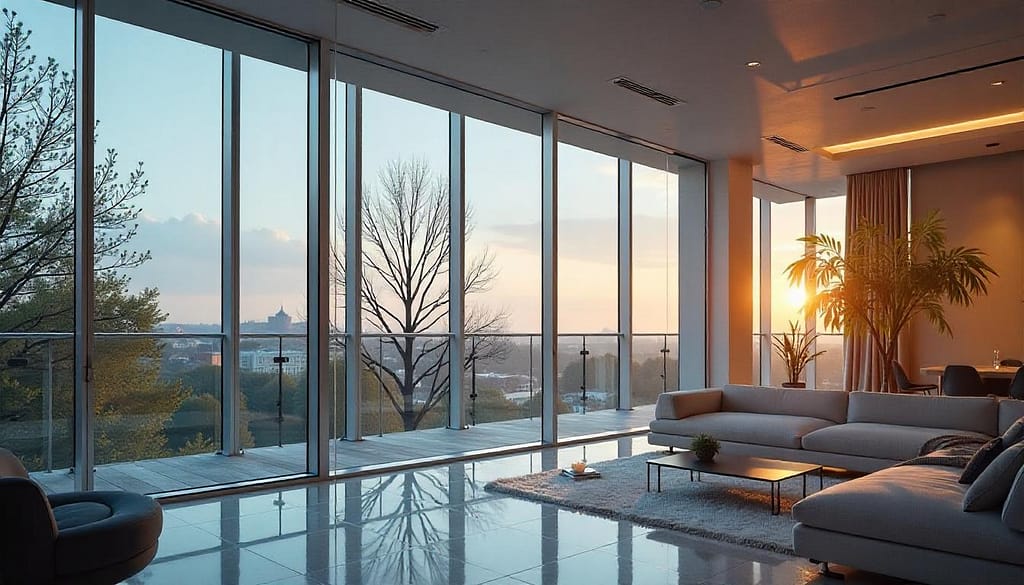
This blog post will compare and contrast smart glass vs traditional glass, highlighting their respective benefits and limitations. By understanding the key differences between these two options, you can make an informed decision about which type of glass is most suitable for your project.
Glass has become a fundamental part of modern architecture and interior design, serving as a versatile and functional material in residential, commercial, and industrial settings. When choosing glass for a project, it’s essential to consider the specific needs and requirements to ensure the best possible outcome.
What is Traditional Glass?
Traditional glass is a widely used material that is available in various forms, including:
- Float glass: A common type of flat glass used in a variety of applications.
- Tinted glass:
- Reflective glass:
- Tempered glass: A heat-treated glass that is stronger and more resistant to breakage. Used for windows, doors, and partitions.
- Laminated glass: Consists of two or more glass layers bonded together with a plastic interlayer.
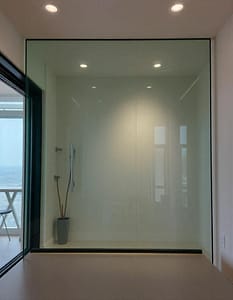
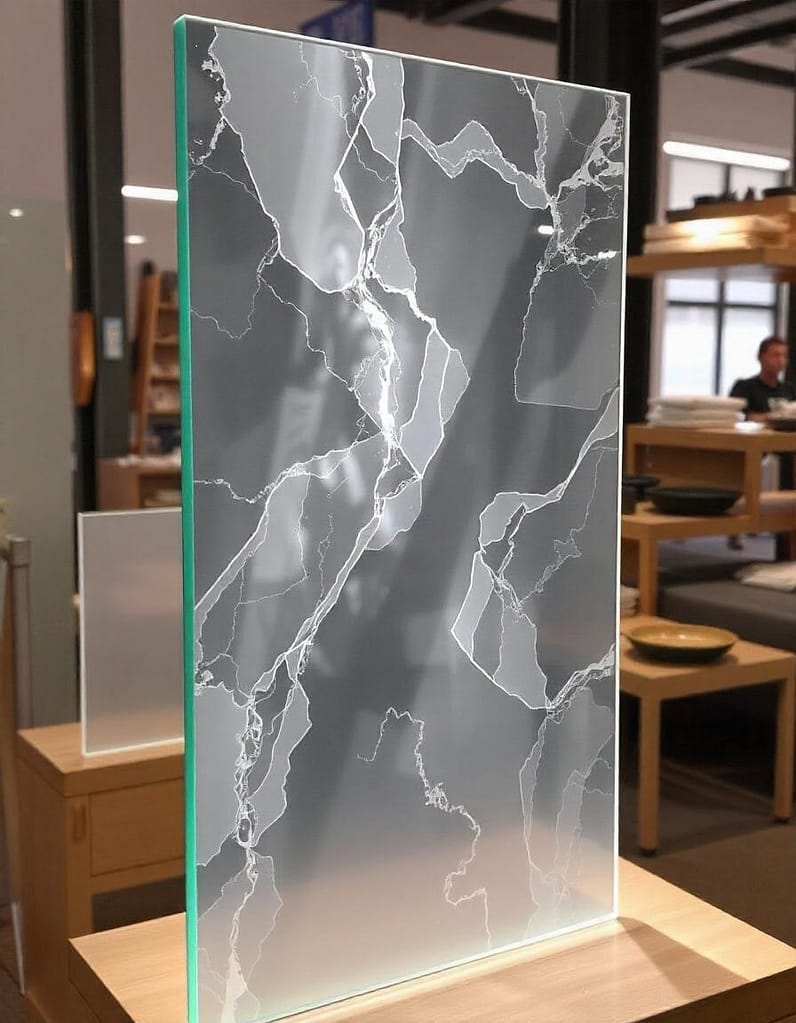
Benefits of Traditional Glass
- Cost-effective: Traditional glass is generally more affordable than smart glass.
- Durable: It is a durable material that can withstand harsh weather conditions and heavy use.
- Availability: Traditional glass is readily available in various sizes and thicknesses.
Limitations of Traditional Glass
- Fixed transparency: Traditional glass is always transparent, offering no privacy control.
- Less energy-efficient: Traditional glass can result in heat gain or loss, leading to higher energy costs.
What is Smart Glass?
Smart glass, also known as switchable glass, is a revolutionary material that can dynamically adjust its opacity and light transmission. It consists of a layer of liquid crystals sandwiched between two layers of glass or plastic. When an electrical current is applied, the liquid crystals align, allowing light to pass through and making the glass transparent. When the current is removed, the crystals scatter light, making the glass opaque or frosted. Common applications of smart glass include offices, homes, commercial spaces, healthcare facilities, etc.
Key Comparison Points: Smart Glass vs. Traditional Glass
Privacy and Flexibility
- Traditional glass: Always transparent, requiring blinds or curtains for privacy.
- Smart glass: On-demand privacy with a switch, no need for additional coverings.
Energy Efficiency
- Traditional glass: Offers minimal insulation and can result in heat gain/loss.
- Smart glass: Better thermal regulation by blocking solar heat, reducing energy costs for cooling/heating.
Aesthetic and Design
- Traditional glass: Clean, clear look but static in terms of functionality.
- Smart glass: Sleek, modern, dynamic design that can adapt to various needs (transparent vs. opaque).
Sound Insulation
- Traditional glass: Basic soundproofing but limited in noisy environments.
- Smart glass: Provides better sound insulation, especially important for offices and meeting rooms.
Cost Consideration
- Traditional glass: Lower upfront cost but additional expenses (e.g., blinds, curtains, maintenance).
- Smart glass: Higher initial investment but long-term savings in energy efficiency, less need for maintenance or add-ons like blinds.
Which Glass is Right for Your Project?
When deciding between traditional glass and smart glass, consider the following factors:
- Budget constraints: If cost is a primary concern, traditional glass may be a more affordable option.
- Privacy needs: If privacy is essential, smart glass is the clear choice.
- Energy efficiency: For projects where energy savings are a priority, smart glass can offer significant benefits.
- Aesthetics and design: Smart glass can provide a more dynamic and modern look, but traditional glass may be more suitable for certain design styles.
Both traditional glass and smart glass have their own advantages and disadvantages. The best choice for your project will depend on your specific needs and priorities. By carefully considering the factors outlined in this blog post, you can make an informed decision and select the glass that will best meet your requirements.
Contact Chiefway Philippines for the best quotes and quality products.
Source Links: